
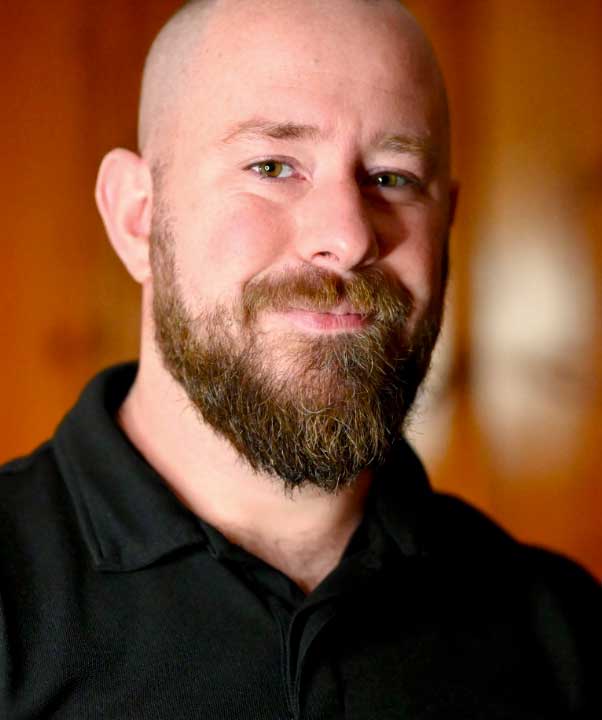
Six-plus years working with runners, lifters, and everyone training hard.
I am Mickie, a licensed massage therapist with 6+ years and thousands of sessions behind me, a good number of them spent on athletes training around Fayette and Westmoreland County.
Runners, lifters, and bodybuilders all put a specific kind of strain on the body, and I have spent years learning where that strain actually lives, not just where it hurts. Read more about my background here.
Mickie, Licensed Massage Therapist
Tailored work, three depths.
Every session is shaped around what you are training for and what is restricted that day.
Essential Reset
Targeted work on one restricted area, like an IT band or a single tight hip.
Holistic Balance
Multi-area work blending deep tissue, trigger point, and Theragun for training bodies.
Ultimate Renewal
Full-body, unhurried work for the athlete carrying tension in more than one place.

When training tightens instead of strengthens
Training hard is supposed to make you stronger, not tighter. When fascia gets stuck, it pulls on everything around it and starts showing up as the ache that will not quit or the range of motion that will not come back. Myofascial release is slow, sustained pressure that works that tissue loose so the muscle underneath can move freely again.
Runners: releasing the IT band
The IT band runs along the outside of the thigh from the hip to just below the knee, and it is one of the most common trouble spots I see in runners around Connellsville and Uniontown. When it tightens up, it pulls on the knee and can turn into the sharp outer-knee pain that sidelines a training block. I work the fascia along the whole length of the band, along with the hip muscles that feed into it, so the relief holds past mile four. Runners who want more range of motion beyond the massage itself often add facilitated stretching to the same visit.
Lifters and bodybuilders: the psoas
The psoas is a deep hip flexor that connects your spine to your leg, and heavy squats, deadlifts, and hip-dominant lifts beat it up fast. When it stays short and tight, it limits hip extension and shows up as low back tension that stretching alone will not fix. Releasing the psoas is often the piece that gets a lifter back to full range under the bar. Some lifters pair this with trigger point work on the surrounding hip muscles for even more relief.
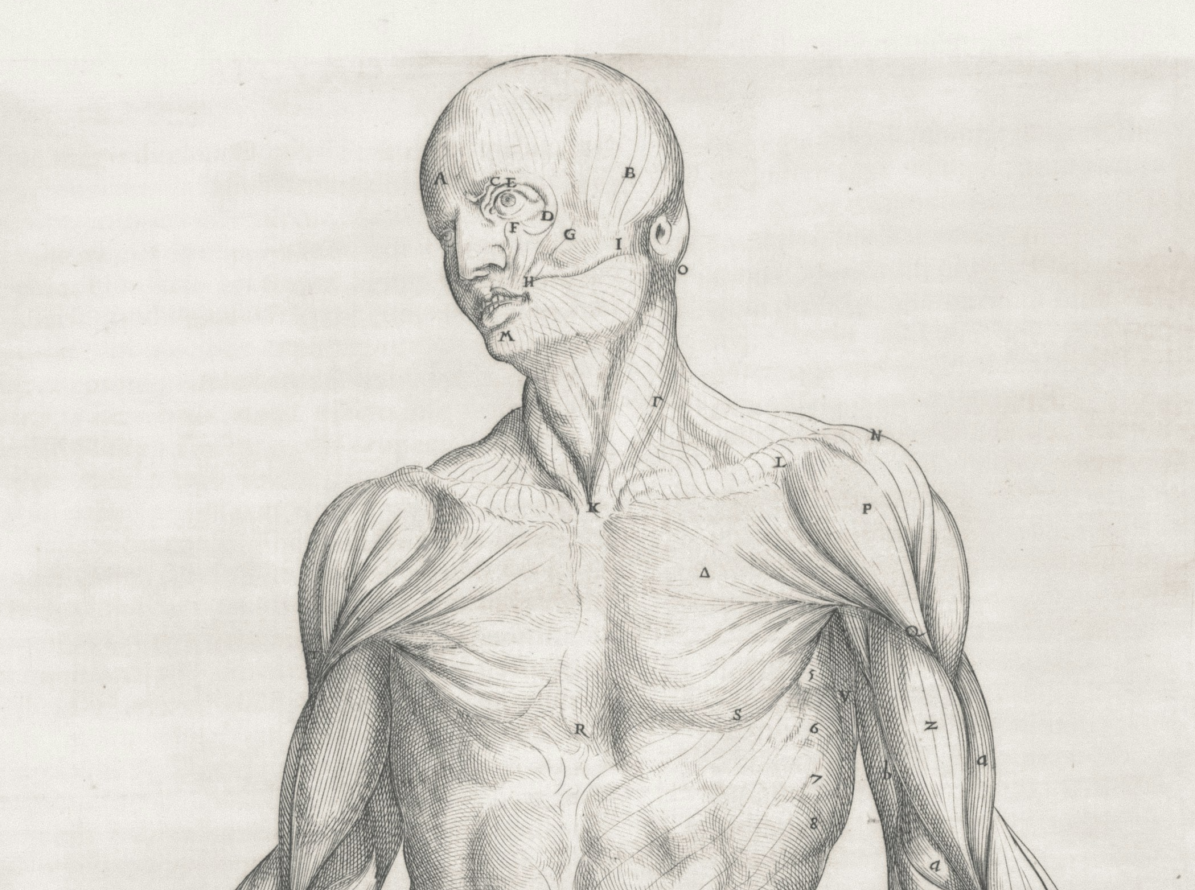
Fascia connects the whole system
The muscles in this illustration are wrapped in fascia from head to toe, which is why a tight IT band or a stuck psoas rarely stays in one place. Working the fascia, not just the muscle, is what makes the relief hold, and why I want to know what you are training for before I start.
Every session starts with a real conversation about what you are training for and what is holding you back, not a fixed routine.
What athletic bodywork looks like here.
Different from a relaxation massage, built around your training instead.
We Talk Training First
What you are training for, what movements feel restricted, and what you are hoping to get back to.
We Find the Actual Restriction
The IT band, the psoas, a stuck shoulder, whatever is actually limiting you, not just the spot that aches.
We Work It, Not Around It
Myofascial release, deep tissue, trigger point, and Theragun, tailored to what the tissue needs that day.
You Leave With a Plan
Simple guidance on timing sessions around your training and competition calendar.
It is slow, sustained pressure on the connective tissue (fascia) that wraps your muscles, aimed at releasing restrictions rather than just working the muscle itself. It is a core part of the deep tissue and therapeutic work I do here at Mend.
Sports and athletic bodywork is built around your training, not general relaxation. We talk about what you are training for and what feels restricted, then target the areas actually limiting your movement, like an IT band, a hip flexor, or a shoulder.
It depends on your training load. Many of the runners and lifters I see come in every two to four weeks during an active training block, with more frequent visits around a big race or competition. We will figure out a rhythm together during your intake.
Light work close to an event is usually fine, but new, deep myofascial work is better scheduled a few days out so your body has time to respond. This is general guidance, not a substitute for advice from your coach or doctor, and we will talk timing before your session.
Yes. IT band release for runners and psoas work for lifters and bodybuilders are two of the most common requests I get from athletes training around Dunbar, Uniontown, and Connellsville.
Let’s get you back to training.
Serving Dunbar, Uniontown, Connellsville, and the wider Laurel Highlands, with a second location at the Tollhouse in Delmont.
Book a Session See All Services