

The same spot keeps tightening back up
If you have chased the same knot for months, stretched it, foam-rolled it, and it keeps coming back, the muscle may not be the whole story. Fascia is the connective tissue that wraps every muscle, and when it gets stuck it quietly pulls your range of motion down and holds tension in place. Myofascial release goes after that layer directly.
Start with 60, go deeper at 90.
Myofascial work is slow by nature, so more time on the table means more restriction actually released.
Essential Reset
Focused release on one stubborn area, like a tight hip, shoulder, or low back.
Holistic Balance
Room to work multiple connected areas, blended with deep tissue and trigger point.
Ultimate Renewal
Full-body, unhurried release for tension that has settled in more than one place.
What fascia is, and why it matters
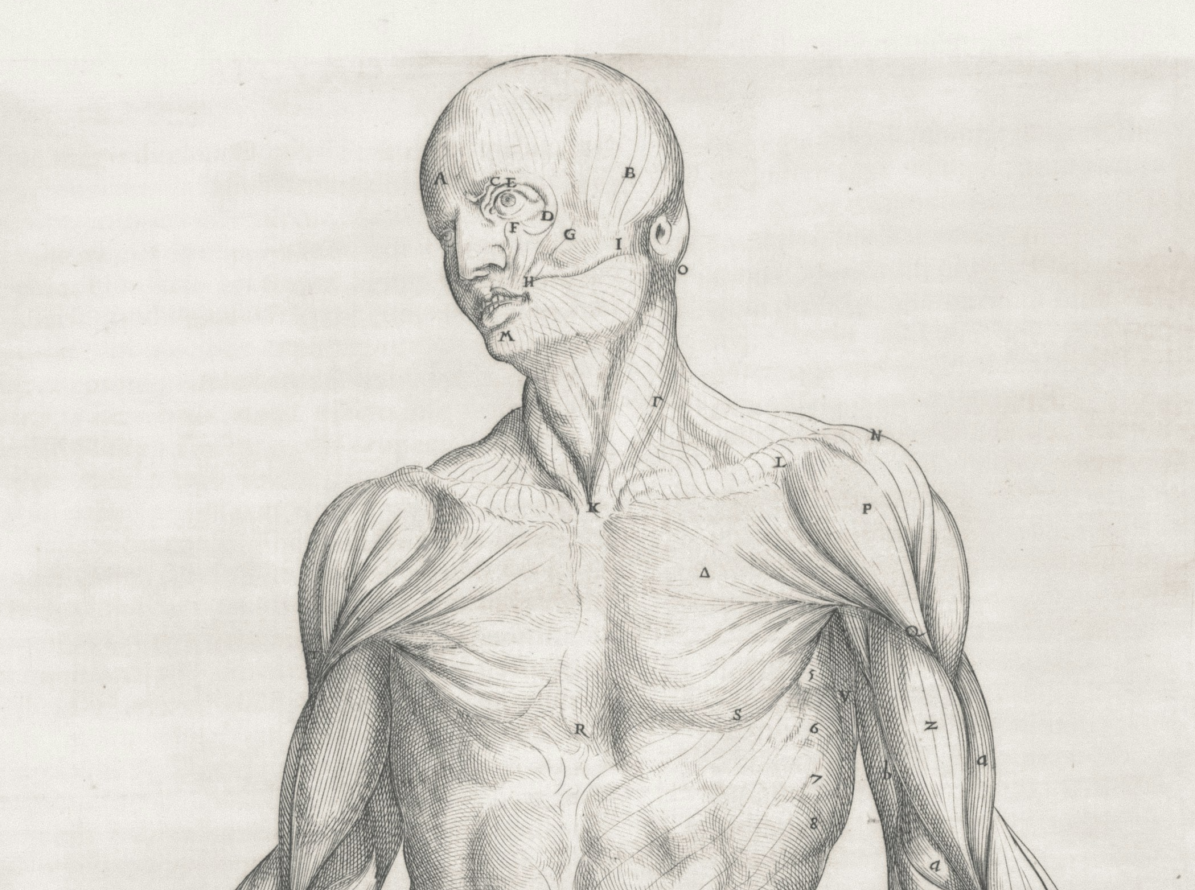
Fascia is a thin, tough web of connective tissue that wraps around every muscle, bone, and organ, head to toe, in one continuous sheet. When it is healthy it glides. When it gets stuck from injury, overuse, or hours in the same posture, it stops gliding and starts pulling, which is why a tight spot in one place can show up as pain somewhere else entirely.
What myofascial release actually does
It is slow, sustained pressure held on the restricted tissue, long enough for the fascia to soften and let go, rather than the quicker strokes of a relaxation massage. The goal is to release the restriction itself so the muscle underneath can finally move freely, and the relief holds past the drive home. It is a core part of the deep tissue and therapeutic work I do here.
Working the layer other massage skips
I am Mickey, a licensed massage therapist with 6+ years and thousands of sessions behind me. A lot of massage works the muscle and leaves the fascia stuck, which is why the same tension comes back a week later. I want to know how you actually move and what keeps seizing up before I start, so we treat the restriction, not just the ache. If you are training hard, the training-specific version lives on the sports massage page.
Fascia connects the whole body, so the spot that hurts is rarely where the work needs to happen.
What a myofascial session looks like here.
Slower and more deliberate than a standard massage, and built around how you move.
We Talk First
Where it is stuck, what you have already tried, and what you want your body to be able to do again.
We Find the Restriction
The actual stuck tissue that is pulling on everything else, not just the spot that aches.
We Hold and Release
Slow, sustained pressure held long enough for the fascia to soften and let go.
You Leave Moving Freer
More range, less pull, and simple guidance to keep the tissue happy between visits.
Slow, sustained pressure on the connective tissue (fascia) that wraps your muscles, aimed at releasing the restriction itself rather than just working the muscle. It is a core part of the deep tissue and therapeutic work I do at Mend.
A relaxation massage uses quicker, flowing strokes to calm the body. Myofascial release moves slowly and holds pressure in one place, giving the fascia time to actually let go. It can feel more intense, in a good way.
It should feel like a deep, productive stretch, not sharp pain. You stay in control of the pressure the whole time, and we adjust as we go.
Stubborn tightness, limited range of motion, old injuries that never quite resolved, and tension that builds up from sitting or repetitive work. If you are training hard, the sports massage page covers the athletic version.
Some restrictions release in one visit, others that have been building for years take a few. We will talk honestly about what to expect during your intake.
Let’s get that tension to finally let go.
Serving Dunbar, Uniontown, Connellsville, and the wider Laurel Highlands, with a second location at the Tollhouse in Delmont.
Book a Session See All Services