
Massage for Anxiety: What’s Actually Happening in Your Nervous System
Most people walk into a massage expecting to feel better when they leave. What they don’t usually expect is a scientific explanation for why that happens or why the benefits can outlast the session by days.
If you’ve experienced anxiety, you already know what it feels like in your body: tight chest, elevated heart rate, shallow breathing, that permanent low-level hum of tension that never fully shuts off. What you might not know is that therapeutic massage directly intervenes in those physical symptoms at the level of your nervous system not just by making your muscles feel looser, but by changing which branch of your nervous system is running the show.
Your Nervous System Has Two Modes
The autonomic nervous system the part that controls things you don’t consciously think about, like heart rate, digestion, and breathing — operates in two primary states:
- Sympathetic (“fight or flight”): Activated by stress, threat, or overwhelm. Heart rate increases, breathing becomes shallow, muscles tense, digestion slows. Your body is preparing to handle a danger.
- Parasympathetic (“rest and digest”): Active during safety and recovery. Heart rate lowers, breathing deepens, muscles release, digestion functions normally. Your body is repairing itself.
Anxiety, at a physiological level, is a nervous system stuck in — or frequently snapping back to sympathetic dominance. The perceived threat doesn’t have to be real or physical. Chronic stress, unresolved emotional experiences, and habitual thought patterns can all keep the sympathetic system activated long after the original trigger is gone.
Where Massage Comes In
Safe, skilled, sustained touch is one of the most reliable ways to activate the parasympathetic nervous system. This isn’t anecdotal it’s measurable. Research has shown that therapeutic massage reduces cortisol (the primary stress hormone) and increases serotonin and dopamine. Heart rate and blood pressure often drop within minutes of a session beginning.
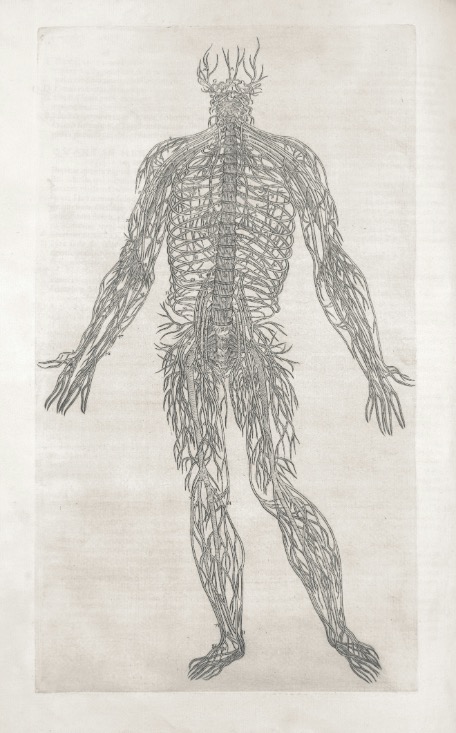
The mechanism involves the vagus nerve the longest nerve in the body, running from the brainstem through the chest and abdomen which is the primary highway of parasympathetic communication. Touch signals travel through sensory receptors in the skin and muscles and directly stimulate vagal tone, shifting the nervous system toward a calmer state.

Why Emotional Stress Lives in Your Muscles
The body doesn’t distinguish neatly between emotional stress and physical threat. From a nervous system perspective, a difficult conversation, a looming deadline, or unprocessed grief can activate the same physiological response as a physical danger because the nervous system evolved to prioritize survival over nuance.
When the sympathetic system stays activated over time, the muscles are part of that response. The traps stay elevated. The jaw stays clenched. The hip flexors shorten from constant bracing. The diaphragm tightens, making full deep breaths harder to access. Over weeks and months, these patterns become structural the tissue adapts to a state of preparedness.
This is why people often feel emotional releases during or after massage. Feeling suddenly tearful, deeply calm, or briefly disoriented on the table are signs the nervous system is down regulating shifting out of a state it may have been holding for a long time.

What This Means for Anxiety Specifically
For people dealing with anxiety whether situational, generalized, or tied to a specific pattern massage offers something genuinely hard to access otherwise: a reliable, body-level pathway into the parasympathetic state.
Breathing exercises, meditation, and therapy can all support parasympathetic activation through the mind. Massage approaches it directly through the body. For many people, especially those who find it difficult to “think their way” out of anxious states, this bottom-up approach can be more immediately accessible.
Regular sessions not just occasional ones appear to have a cumulative effect on the nervous system’s baseline. People who receive massage consistently often report that their overall anxiety level decreases over time, not just in the hours after a session.
What to Tell Your Therapist
If anxiety is part of why you’re booking, say so. It changes how the session is approached pressure, pacing, the amount of quiet versus conversation, and which areas get prioritized. A nervous system that’s already running hot needs a different initial approach than one that’s simply physically tight.
At Mend Massage, the intake conversation is part of the work. Your emotional and psychological context isn’t separate from your physical picture it is the picture.
What Massage Can and Can’t Do Here
Massage is not a treatment for anxiety disorders, and it’s not a replacement for therapy, medication, or other clinical interventions when those are needed. What it is: a meaningful, evidence-supported tool for nervous system regulation, stress reduction, and physical tension relief that works alongside whatever else you have in place.
If you’re managing anxiety and haven’t considered therapeutic massage as part of your support system, it’s worth understanding what it’s doing and why it works when it does.
Mend Massage in Dunbar, PA offers therapeutic, goal-oriented sessions for clients dealing with stress, anxiety, and chronic tension. If you have questions about whether massage is a good fit for what you’re experiencing, reach out before you book — I’m happy to talk it through. Schedule here →